

Are trigger sprayers safe to use? This is a question that many consumers and professionals often ask. As a trigger sprayer supplier, I have extensive knowledge and experience in this field, and I'm here to provide a comprehensive answer.
Understanding Trigger Sprayers
Trigger sprayers are widely used in various industries and households. They are designed to dispense liquids in a controlled manner, whether it's for cleaning solutions, pesticides, personal care products, or other substances. The basic mechanism of a trigger sprayer involves a trigger that, when pulled, activates a pump system. This pump draws liquid from the container and forces it through a nozzle, creating a spray.
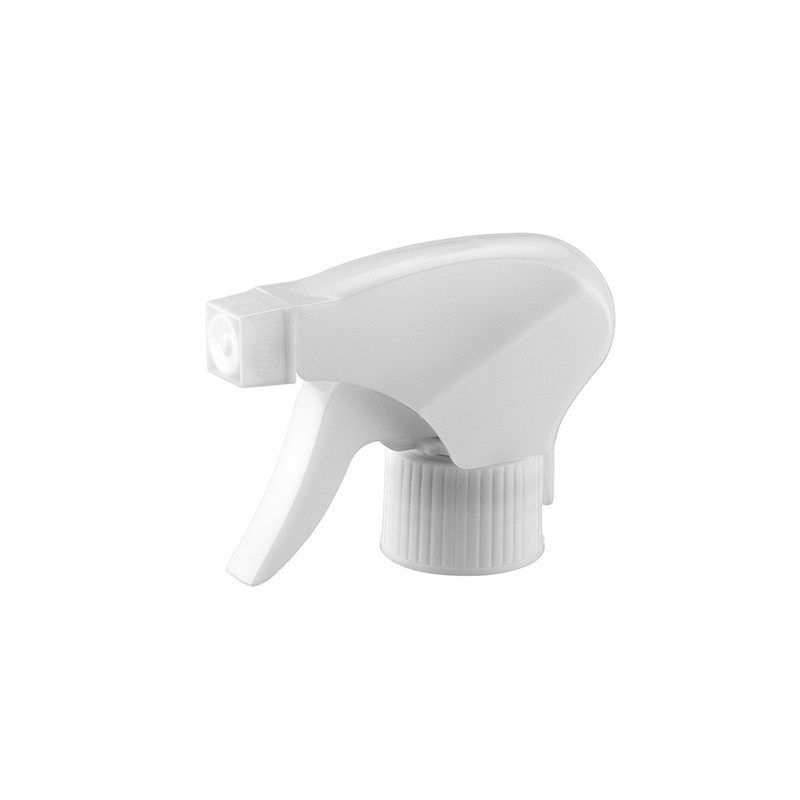

There are different types of trigger sprayers available on the market, each with its own unique features and applications. For instance, the Professional Trigger is designed for heavy - duty use in industrial or professional settings. It is built to withstand frequent and intense use, with durable materials and a high - performance pump system. On the other hand, the Mini Trigger Sprayer is more suitable for small - scale applications, such as in travel - sized bottles or for samples. The Trigger for Spray Bottle is a general - purpose option that can be used with a wide variety of spray bottles.
Safety Considerations in Design
One of the primary factors contributing to the safety of trigger sprayers is their design. Manufacturers take several precautions during the design process to ensure that trigger sprayers are safe to use.
First, the materials used in trigger sprayers are carefully selected. Most high - quality trigger sprayers are made from materials that are resistant to corrosion and chemical reactions. For example, many trigger sprayers are made from plastic polymers that are chemically inert, meaning they do not react with the liquids they dispense. This is crucial, especially when dealing with harsh chemicals such as cleaning agents or pesticides. If the trigger sprayer material were to react with the liquid, it could potentially contaminate the product or cause the trigger sprayer to malfunction.
Second, trigger sprayers are designed with ergonomics in mind. The trigger is shaped and positioned in a way that allows for easy and comfortable operation. This reduces the risk of repetitive strain injuries, especially for users who need to use the trigger sprayer for extended periods. A well - designed trigger also provides a smooth and consistent spraying action, which helps to prevent accidental spills or splashes.
Safety in Use
When it comes to using trigger sprayers, there are several safety measures that users should follow.
- Proper Filling: It is essential to fill the spray bottle with the correct liquid and to follow the recommended filling level. Overfilling the bottle can cause the liquid to spill out when the trigger is pulled, which can be dangerous, especially if the liquid is a hazardous substance.
- Correct Assembly: Ensuring that the trigger sprayer is correctly assembled onto the bottle is crucial. A loose or improperly assembled trigger sprayer can lead to leaks or malfunctions. Before use, users should check that all parts are securely in place and that there are no visible signs of damage.
- Handling Hazardous Substances: If the trigger sprayer is used to dispense hazardous substances such as pesticides or strong cleaning agents, users should take extra precautions. This includes wearing appropriate protective gear such as gloves and goggles, and using the sprayer in a well - ventilated area. It is also important to follow the instructions on the product label carefully.
- Storage: When not in use, trigger sprayers should be stored in a safe place, away from children and pets. The spray bottle should be kept upright to prevent leaks, and if the liquid is a hazardous substance, it should be stored in a locked cabinet or a designated storage area.
Safety Testing and Certification
Reputable trigger sprayer manufacturers conduct rigorous safety testing on their products. These tests are designed to ensure that the trigger sprayers meet various safety standards. For example, they test the trigger sprayers for their resistance to pressure, their ability to dispense the liquid evenly, and their durability under different conditions.
In addition, many trigger sprayers are certified by relevant regulatory bodies. These certifications indicate that the product has met certain safety and quality standards. For consumers and businesses, choosing a certified trigger sprayer can provide peace of mind knowing that the product has been thoroughly tested and is safe to use.
Potential Risks and Mitigation
While trigger sprayers are generally safe to use, there are some potential risks that users should be aware of.
- Clogging: Over time, the nozzle of the trigger sprayer may become clogged, especially if the liquid contains particles or if the sprayer is not cleaned regularly. A clogged nozzle can cause the pressure to build up inside the sprayer, which may lead to a sudden release of liquid or even a malfunction. To mitigate this risk, users should clean the nozzle regularly, following the manufacturer's instructions.
- Chemical Exposure: If the trigger sprayer is used to dispense a hazardous chemical and there is a leak or spill, there is a risk of chemical exposure. To prevent this, users should always handle hazardous chemicals with care, and in case of a spill, they should clean it up immediately using appropriate cleaning methods.
- Physical Injury: Although rare, there is a potential for physical injury if the trigger sprayer is mishandled. For example, a broken trigger or a sharp edge on the sprayer could cause cuts or abrasions. To avoid this, users should inspect the trigger sprayer for any signs of damage before use and replace any damaged parts.
Conclusion
In conclusion, trigger sprayers are generally safe to use when they are designed, used, and maintained correctly. The design features of trigger sprayers, such as the choice of materials and ergonomic design, contribute to their safety. By following the safety measures in use, such as proper filling, correct assembly, and handling of hazardous substances, users can minimize the risks associated with trigger sprayers.
As a trigger sprayer supplier, we are committed to providing high - quality and safe trigger sprayers to our customers. We ensure that our products meet the highest safety standards through rigorous testing and certification. If you are in the market for trigger sprayers, whether it's the Professional Trigger, Mini Trigger Sprayer, or Trigger for Spray Bottle, we would be more than happy to assist you. Please feel free to contact us for more information or to discuss your procurement needs.
References
- American Society for Testing and Materials (ASTM). Standards related to consumer product safety.
- Occupational Safety and Health Administration (OSHA). Guidelines for handling hazardous chemicals.
- Various manufacturers' product manuals and safety data sheets.