

Adjusting the spray volume of a trigger sprayer is a crucial skill that can significantly enhance the efficiency and effectiveness of various tasks, whether you're using it for household cleaning, gardening, or industrial applications. As a trusted trigger sprayer supplier, I've encountered numerous customers seeking guidance on this topic. In this blog post, I'll share some practical tips and techniques to help you adjust the spray volume of your trigger sprayer with ease.
Understanding the Basics of Trigger Sprayers
Before delving into the adjustment process, it's essential to understand how trigger sprayers work. A typical trigger sprayer consists of a trigger mechanism, a pump, a nozzle, and a container for holding the liquid. When you squeeze the trigger, the pump draws liquid from the container and forces it through the nozzle, creating a spray.

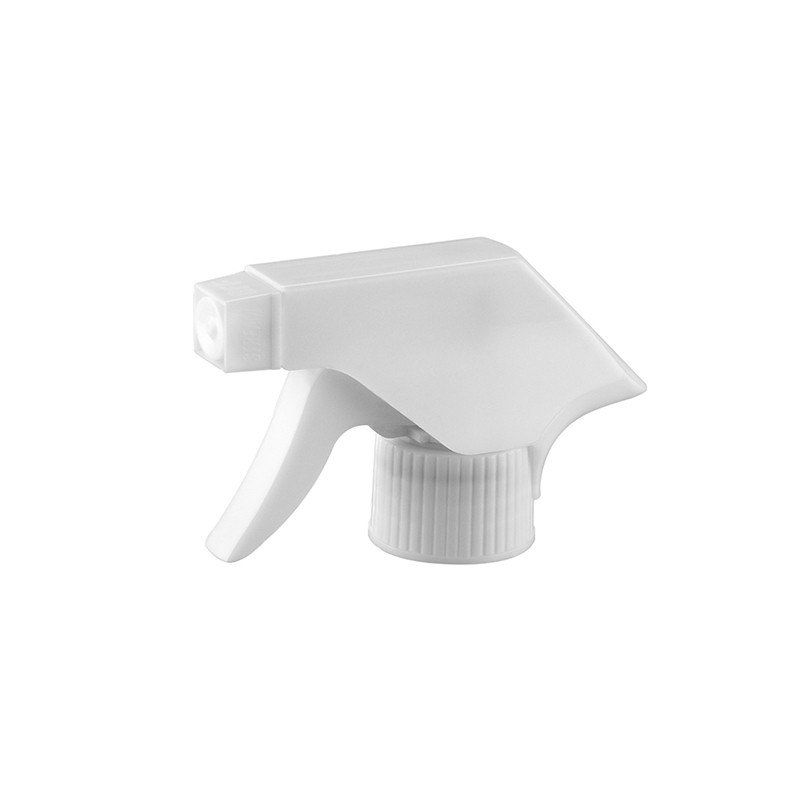
The spray volume of a trigger sprayer is determined by several factors, including the design of the pump, the size of the nozzle orifice, and the pressure applied to the trigger. By adjusting these variables, you can control the amount of liquid dispensed per spray.
Factors Affecting Spray Volume
Pump Design
The pump is the heart of a trigger sprayer, responsible for drawing and dispensing the liquid. Different pump designs can have a significant impact on the spray volume. Some pumps are designed to deliver a high volume of liquid with each squeeze, while others are more precise and deliver a smaller, controlled amount.
When choosing a trigger sprayer, consider the specific requirements of your application. If you need to cover a large area quickly, a high-volume pump may be more suitable. On the other hand, if you need to apply a precise amount of liquid, a pump with a more controlled spray volume may be preferable.
Nozzle Orifice Size
The size of the nozzle orifice also plays a crucial role in determining the spray volume. A larger orifice allows more liquid to pass through, resulting in a higher spray volume. Conversely, a smaller orifice restricts the flow of liquid, producing a finer mist with a lower spray volume.
Most trigger sprayers come with adjustable nozzles that allow you to change the orifice size. This feature gives you greater flexibility in controlling the spray volume and pattern. To adjust the nozzle, simply rotate the nozzle head until you achieve the desired spray pattern and volume.
Trigger Pressure
The pressure applied to the trigger can also affect the spray volume. Squeezing the trigger harder will increase the pressure in the pump, forcing more liquid through the nozzle and resulting in a higher spray volume. Conversely, squeezing the trigger gently will reduce the pressure and produce a lower spray volume.
It's important to find the right balance when applying pressure to the trigger. Applying too much pressure can cause the spray to become too forceful and may result in overspray or waste. On the other hand, applying too little pressure may not produce enough spray volume to cover the desired area effectively.
Adjusting the Spray Volume
Now that you understand the factors affecting spray volume, let's explore some practical steps to adjust the spray volume of your trigger sprayer.
Step 1: Choose the Right Trigger Sprayer
As mentioned earlier, the design of the pump and the size of the nozzle orifice can have a significant impact on the spray volume. When selecting a trigger sprayer, consider the specific requirements of your application. If you need to cover a large area quickly, choose a trigger sprayer with a high-volume pump and a larger nozzle orifice. If you need to apply a precise amount of liquid, choose a trigger sprayer with a more controlled pump and a smaller nozzle orifice.
You can explore our range of trigger sprayers, including Trigger for Spray Bottle, Garden Trigger Sprayer, and Professional Trigger, to find the one that best suits your needs.
Step 2: Check the Nozzle
Before adjusting the spray volume, make sure the nozzle is clean and free of any debris or blockages. A clogged nozzle can affect the spray pattern and volume, so it's important to keep it clean. To clean the nozzle, remove it from the trigger sprayer and soak it in warm, soapy water for a few minutes. Then, use a small brush or toothpick to gently remove any debris from the orifice. Rinse the nozzle thoroughly and reattach it to the trigger sprayer.
Step 3: Adjust the Nozzle
Most trigger sprayers come with adjustable nozzles that allow you to change the orifice size and the spray pattern. To adjust the nozzle, simply rotate the nozzle head until you achieve the desired spray pattern and volume. Some nozzles may have markings or indicators to help you determine the correct setting.
If you need a higher spray volume, rotate the nozzle head to a larger orifice size. If you need a lower spray volume or a finer mist, rotate the nozzle head to a smaller orifice size. Experiment with different settings to find the one that works best for your application.
Step 4: Adjust the Trigger Pressure
As mentioned earlier, the pressure applied to the trigger can also affect the spray volume. To adjust the trigger pressure, simply squeeze the trigger harder or more gently to increase or decrease the spray volume. It may take some practice to find the right balance, but with a little experimentation, you'll be able to control the spray volume effectively.
Step 5: Test the Spray
Once you've adjusted the nozzle and the trigger pressure, it's a good idea to test the spray on a small, inconspicuous area before using it on a larger surface. This will allow you to check the spray pattern and volume and make any necessary adjustments.
If the spray volume is too high or too low, repeat steps 3 and 4 until you achieve the desired result. Remember to be patient and take your time to get the settings just right.
Tips for Optimal Spray Performance
In addition to adjusting the spray volume, there are several other tips and techniques you can follow to ensure optimal spray performance.
Use the Right Liquid
The type of liquid you use can also affect the spray performance. Some liquids, such as thick or viscous solutions, may require a larger nozzle orifice or a higher trigger pressure to achieve the desired spray volume. On the other hand, thin or watery liquids may require a smaller nozzle orifice or a lower trigger pressure.
Make sure to read the manufacturer's instructions and recommendations for the specific liquid you're using. This will help you choose the right trigger sprayer and adjust the settings accordingly.
Keep the Container Filled
To ensure consistent spray performance, it's important to keep the container filled with liquid. If the container is running low, the pump may not be able to draw enough liquid, resulting in a reduced spray volume or a sputtering spray.
Check the liquid level regularly and refill the container as needed. This will help you maintain a consistent spray volume and ensure optimal performance.
Store the Trigger Sprayer Properly
When not in use, store the trigger sprayer in a cool, dry place. Avoid exposing it to extreme temperatures or direct sunlight, as this can damage the pump and the nozzle and affect the spray performance.
If you need to store the trigger sprayer for an extended period of time, it's a good idea to empty the container and clean the nozzle and the pump thoroughly. This will help prevent the liquid from drying out and clogging the components.
Conclusion
Adjusting the spray volume of a trigger sprayer is a simple yet important skill that can significantly enhance the efficiency and effectiveness of various tasks. By understanding the factors affecting spray volume and following the steps outlined in this blog post, you'll be able to adjust the spray volume of your trigger sprayer with ease and achieve optimal spray performance.
If you have any questions or need further assistance with adjusting the spray volume of your trigger sprayer, or if you're interested in purchasing a high-quality trigger sprayer for your application, please don't hesitate to contact us. We're here to help you find the right solution for your needs and provide you with the support and guidance you need to get the most out of your trigger sprayer.
References
- "Trigger Sprayer Basics," Spray Systems Co., accessed [date].
- "How to Adjust a Trigger Sprayer," Home Guides, SF Gate, accessed [date].
- "Tips for Using a Trigger Sprayer," eHow, accessed [date].