

Hey there! As a supplier of crimp pumps, I've gotten a ton of questions about the compatibility of these nifty tools with different crimping dies. It's a super important topic, especially if you're in the market for a crimp pump that can handle various jobs. So, let's dive right in and break it down.
First off, what exactly is a crimp pump? Well, it's a tool used to create a secure connection between a wire and a terminal or connector by deforming the terminal around the wire. This is done using a crimping die, which is a specialized tool that comes in different shapes and sizes depending on the type of crimp you need to make.

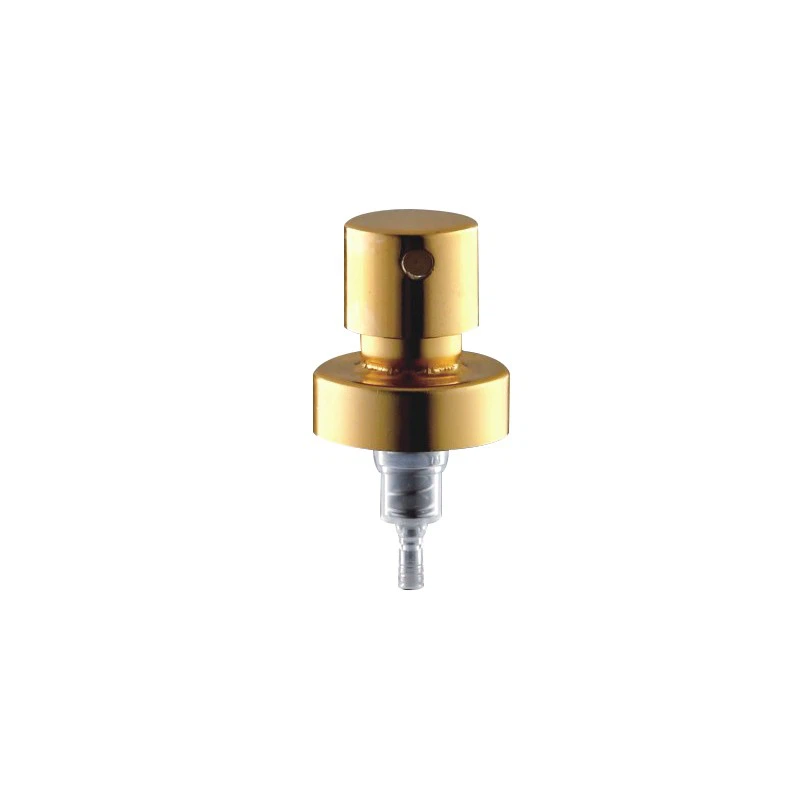
The compatibility between a crimp pump and different crimping dies is crucial because it determines the quality and reliability of the crimp. If the die isn't compatible with the pump, you might end up with a weak or faulty connection, which can lead to all sorts of problems down the line.
One of the key factors to consider when it comes to compatibility is the size of the crimping die. Crimping dies come in various sizes to accommodate different wire gauges and terminal types. A good crimp pump should be able to accept a range of die sizes to handle different applications. For example, if you're working with small-gauge wires, you'll need a smaller die, while larger wires will require a bigger one.
Another important factor is the type of crimping die. There are several types of crimping dies available, including open-barrel dies, closed-barrel dies, and multi-wire dies. Each type is designed for a specific type of crimp and may require a different crimp pump to operate effectively. For instance, open-barrel dies are commonly used for general-purpose crimping, while closed-barrel dies are better suited for applications where a more secure and watertight connection is required.
When choosing a crimp pump, it's also important to consider the brand and quality of the crimping dies. Some crimp pumps are designed to work specifically with certain brands of dies, while others are more versatile and can accept dies from multiple manufacturers. It's always a good idea to do your research and choose a crimp pump and dies from reputable brands to ensure compatibility and reliability.
At our company, we offer a wide range of crimp pumps and crimping dies to meet the needs of our customers. Our Snap On Crimp Pumps are known for their durability and versatility, and they can accept a variety of crimping dies. We also have Out Spring Pump options that are designed for specific applications, such as high-pressure crimping. And if you're in the market for a crimp pump for perfume applications, our Crimp spray pump perfume is a great choice.
So, how do you know if a crimp pump is compatible with a particular crimping die? The easiest way is to check the manufacturer's specifications. Most crimp pump manufacturers will provide a list of compatible dies in their product documentation. You can also contact the manufacturer directly if you have any questions or need further assistance.
In addition to checking the specifications, it's also a good idea to test the compatibility of the crimp pump and die before using them on a real project. You can do this by performing a test crimp on a sample wire and terminal. If the crimp looks and feels good, and the connection is secure, then you can be confident that the pump and die are compatible.
In conclusion, the compatibility of a crimp pump with different crimping dies is an important consideration when choosing a crimping tool. By understanding the factors that affect compatibility and doing your research, you can choose a crimp pump and dies that are right for your needs. And if you have any questions or need help finding the right crimp pump or dies, don't hesitate to contact us. We're here to help you make the best choice for your project.
If you're interested in purchasing crimp pumps or crimping dies, or if you have any questions about compatibility or our products, please feel free to reach out to us. We'd love to have a chat and help you find the perfect solution for your needs.
References:
- Industry standards for crimping tools and dies
- Manufacturer product documentation